AI, Mental Health, and Our Enduring Need for One Another We are wired for connection. From birth, our emotional lives are shaped by relationships. We learn to regulate our nervous systems through caregivers, make sense of our self-identity through community, and find meaning through shared experiences. Long before modern psychology provided words for attachment, co-regulation, …
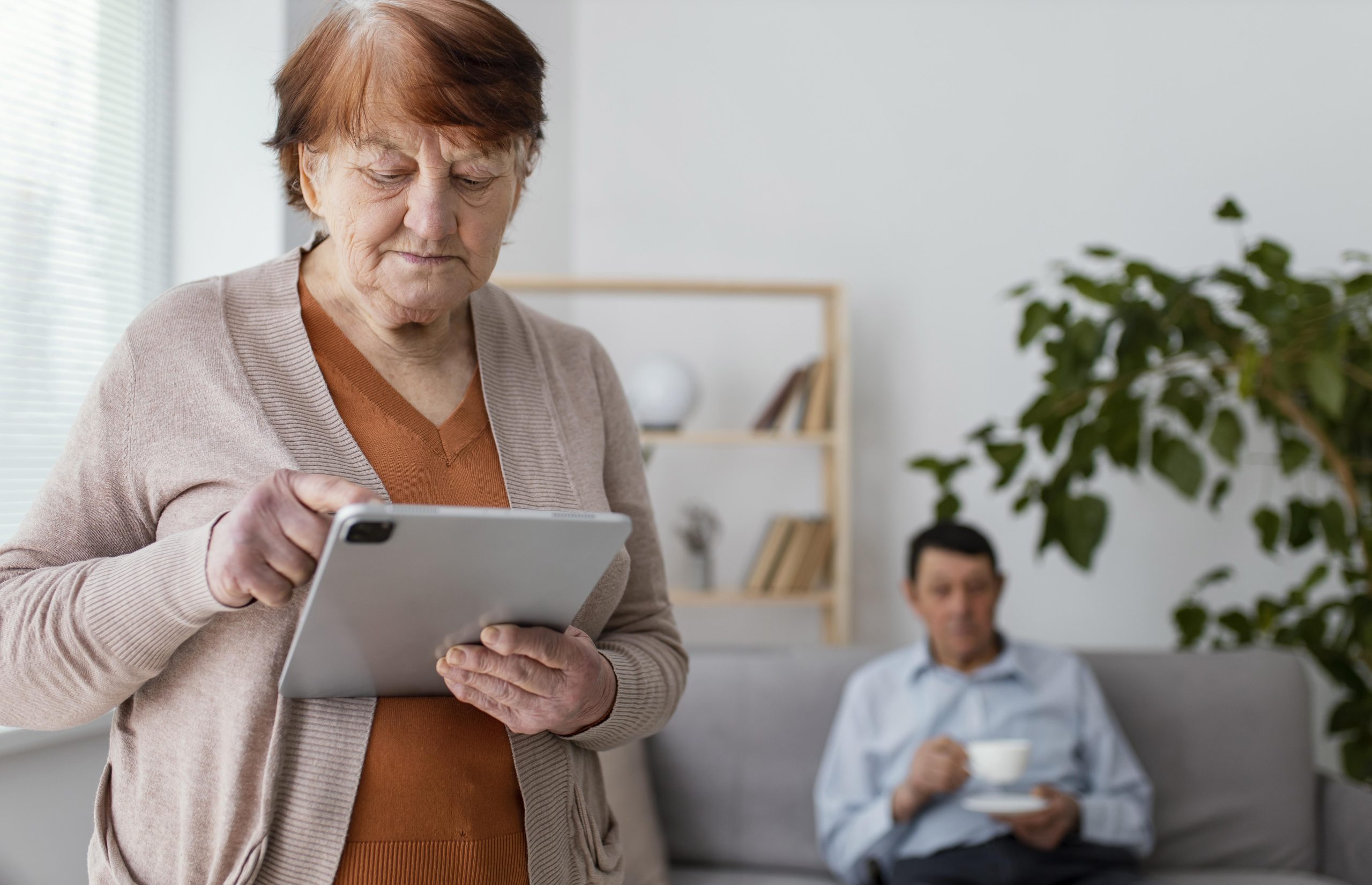

AI, Mental Health, and Our Enduring Need for One Another
We are wired for connection.
From birth, our emotional lives are shaped by relationships. We learn to regulate our nervous systems through caregivers, make sense of our self-identity through community, and find meaning through shared experiences. Long before modern psychology provided words for attachment, co-regulation, and belonging, people understood a simple truth: we heal together.
As artificial intelligence is becoming an increasing part of our day-to-day life, I invite you to consider the following question:
What do we need from one another?
AI has a lot of interesting opportunities and there is no denying that. It can help people to organize their thoughts, offer educational tools, and provide support outside office hours. For those struggling with cost, geography, or stigma, it might be a first step to seeking help or to understanding their experiences.
Technology can also decrease loneliness by opening people to a world of resources and communities for which they would never have been connected to otherwise.
But connection to information is not the same as connection to another human being.
A program can generate words of encouragement. It can reflect patterns in language and suggest coping strategies. But it cannot sit with uncertainty. It cannot share in grief. It cannot bear overwhelming responsibility with compassion, understand the subtle shifts in a person’s expression, or participate in the mutual process of growth that defines human relationships.
The qualities that promote healing – empathy, presence, trust, vulnerability, and genuine care – come from human relationships.
And we know from the research that social connection is one of the most predictive factors of mental and physical health. Loneliness and isolation are associated with anxiety and depression, cardiovascular disease, and lower life satisfaction. Good relationships are protective factors and help with overcoming obstacles and becoming more resilient.
Technology can help such relationships, but it should not and cannot replace them.
This distinction becomes crucial as AI systems become more conversational and personalized. People will feel a sense of comfort, companionship, or validation through interactions with technology. But while that may provide some value, we need to acknowledge the longing for human connection – the desire to be known by someone else who has their own thoughts, feelings, history, and the capacity to care.
Authentic connection is reciprocity. It asks us to listen and talk, to tolerate differences, to repair ruptures, and to be there when we don’t know what’s happening to us. These are not obstacles to wellbeing; they are what makes relationships transformative.
The future of mental health will surely include technological invention in the next decade. Digital tools might help bridge gaps in care, provide psychoeducation, and help in between moments of human contact. They can be complementary to treatment, community engagement, and personal growth.
But they should be companions, not replacements.
As we move through this new landscape, the most important question is not artificial intelligence as a tool but rather what we need to preserve.
The need to gather around a table.
The comfort of hearing, “I understand.”
The courage to ask for help.
The experience of being witnessed in joy and suffering.
The acknowledgement that another person decides to be present in times of crisis when solutions are unknown.
These moments cannot be automated.
Human empathy, community, and mutual care are our greatest strengths. In a world that is heavily influenced by technology, it is more imperative to protect and nurture these links than ever before.
The future will bring new tools, new possibilities, and new challenges. But the bedrock of wellbeing is very much the same. We thrive when we belong. We grow when we’re supported. We heal when we are seen.
And ultimately, no matter how advanced our technology is, we are going to need one another.