
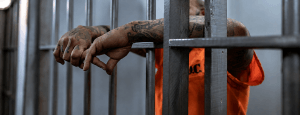
It is perhaps not surprising to know that up to 65% of people in the American prison system currently have been diagnosed with a mental illness. Among these diagnoses, the most prevalent are that of depression and anxiety (Gómez-Figueroa & Camino-Proaño, 2022). Among children within the prison system, many are diagnosed with Oppositional Defiant Disorder (ODD) (Haney-Caron et. al., 2016). This diagnosis, as discussed in my previous blog post, is problematic for a host of reasons. Simply diagnosing a child with something such as depression, anxiety, or even ODD dismisses the reasons for the development of such conditions. While some people can develop such conditions purely from genetic or biological markers, it is exceedingly rare that this is the case. Most people who experience things like depression, anxiety, ODD, or any other form of mental illness develop these struggles in part due to their upbringings.
We know that growing up in poverty, growing up without good enough parental involvement and emotional support, growing up without access to healthy conditions such as clean drinking water and healthy food, and growing up without access to good schooling (among many other things) can lead to the development of conditions such as depression, anxiety, and other more volatile presentations of mental health struggles. These presentations may lead to people engaging with their surroundings in dangerous ways, such as harming themselves and others. Unfortunately, our current systematic setup does not do enough to prevent such tragedies and instead focuses on punishing those who were, in all likelihood, victims themselves at some point in their lives.
Starting from even before birth, people’s circumstances have a huge impact on their mental health. Experiencing birth complications can cause or exacerbate future mental health struggles. Early childhood emotional, physical, and sexual abuse and/or neglect can leave lasting impacts on how people relate to others around them. Physical disabilities can lead people to be ostracized within their communities and with peers, leading to further traumatic experiences. Lackluster schooling due to lack of funding within the district or burnt out teachers. Lack of access to clean water and healthy food options, or lack of access to enough food to promote healthy childhood development. Having a parent in the prison system. Having a parent who struggles with their mental health. Poverty forces children and young adults to explore options of getting by in life that are less than savory. This is a non-exhaustive list of examples of circumstances people go through that can cause or greatly increase the likelihood of developing a mental illness.
With all of these circumstances to contend with, the answer that the United States gives when someone who struggles with mental health breaks their laws (which protect property and property-owners’ interests rather than everyday people) is to place them into a prison system that takes away their right to vote, makes it incredibly difficult to get a job, and does little to nothing to rehabilitate people who are incarcerated. It is no wonder, with little to no effort to fix any of the societal ills that we know exacerbate these issues within our communities, that mental health diagnoses run rampant within prisons.
Rehabilitation is a word that is often conflated with imprisonment. However, these two concepts could not be more different. To rehabilitate, a person needs many things. Namely, acceptance of their actions, and the ability to be shown a different way of comporting themselves. Prisons can be violent places. In many TV shows and movies, the violence of these places is played for laughter and jokes. How often in a movie have you seen the sexual assault of an incarcerated man be played as a joke? As though the experience is not deeply traumatizing. We have come to accept and even laugh at these experiences, not just of sexual violence, but physical and mental abuse and trauma. These environments of violence cannot be healing by their very nature. When people leave these environments to return to larger society, they are further disadvantaged by being largely unable to regain stability. Steady work and housing are minimum needs for people, especially if the goal is to reintroduce them to society. These are things that are increasingly difficult for formerly incarcerated people to acquire due to having a criminal record. This just continues to feed the cycle and leads to more experiences that can create or exacerbate existing mental health crises.
There are examples of countries whose practice of rehabilitation have created far better outcomes for them. Within the United States, the focus on for-profit prisons has created an environment that rewards prisons for keeping people unwell and isolated from society. To add even further insult to injury, while people are incarcerated they are forced to perform labor, such as cleaning, cooking, and manual labor tasks around facilities, for just dollars per day.
None of this, of course, is to say or even imply that any mental health struggle must lead to violent outcomes. In fact, it is exceedingly rare for people struggling with mental health to commit violence against another person. We have to remember that the vast majority of people within the prison system currently are charged with non-violent offenses. There should be methods of understanding and dealing with violence and pain within our communities, but many are unsure if our current system is the answer. It certainly seems as though the way we have been doing things has not been successful. The answer is far more comprehensive, inclusive, caring, and community-based than we have seen in the past.
Note: If you would like to learn more about these issues, including the ways in which someone’s race impacts their outcomes within the prison system, and ways people are fighting to change the system, see some of the highlighted resources below.
https://en.wikipedia.org/wiki/The_New_Jim_Crow